7 Hidden Risks When Moving Sourcing from China to Vietnam (That Many Buyers Discover Too Late)
Moving sourcing from China to Vietnam can reduce risks, but hidden challenges may affect cost, quality, supply chain visibility and production stability. Learn what global buyers should consider before relocating suppliers. Suggested URL:
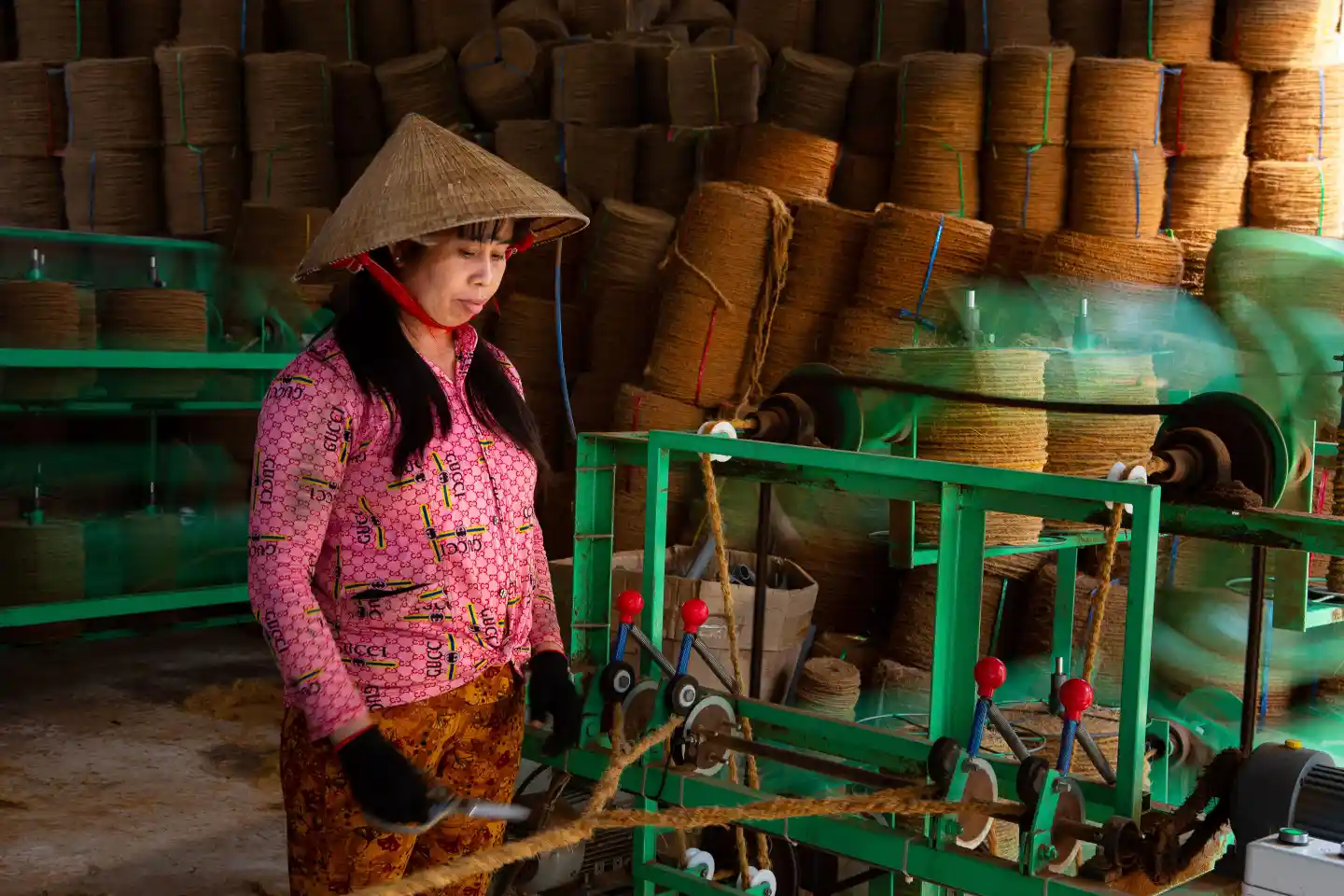
For many global retailers, importers and distributors, Vietnam has become an increasingly attractive manufacturing destination.
The reasons are clear: competitive labor costs, expanding industrial capacity, growing export infrastructure and diversification away from single-country dependency.
As companies implement China Plus One strategies, Vietnam has become one of the most discussed alternatives for supply-chain diversification. However, one important reality is often overlooked:
A successful sourcing system depends on raw material availability, supplier ecosystems, product-development capability, quality management, logistics infrastructure, compliance control and communication efficiency.
Many companies discover that moving production does not automatically mean moving the entire supply chain.
Risk 1: Your New Supplier May Still Depend on China
One of the biggest misunderstandings in manufacturing relocation is assuming that a Vietnam factory automatically means a Vietnam supply chain. In reality, many industries operate through regional supply networks.
A Vietnamese factory may still rely on China for:
A household-product supplier may complete final production locally while its molds, packaging and components come from China, and equipment maintenance depends on Chinese technicians.
This does not make Vietnam sourcing unsuccessful. Vietnam can still provide valuable diversification. The key is understanding the real supply-chain structure behind the factory address.
Risk 2: The Lowest Factory Price May Not Create the Lowest Total Cost
Many sourcing decisions start with one number: the factory quotation. Experienced procurement teams evaluate something more important: total landed cost.
A Vietnam supplier may offer a lower manufacturing price. But if the buyer needs additional inspections, longer development time, higher safety inventory and more supplier management, the final advantage may become smaller than expected.
Risk 3: Your Quality System May Need to Start Again
One advantage of long-term China sourcing is accumulated experience. Suppliers understand customer expectations, engineers know product requirements, QC teams recognize acceptable defects and production problems can be solved faster.
When moving to a new supplier, this knowledge often disappears. Even with the same drawings, differences can emerge in material selection, workmanship, product tolerance, packaging quality and production consistency.
Retail consequences
- Customer complaints
- Product returns
- Damaged brand reputation
- Retailer penalties
Transfer controls
- Clear specifications
- Approved samples
- Inspection standards
- Production monitoring
- Pre-shipment inspection
Quality cannot be transferred simply by sending drawings.
Risk 4: Finding a Factory Is Easier Than Finding a Reliable Supplier
A supplier directory can provide hundreds of factory contacts. Supplier qualification requires deeper evaluation.
- Manufacturing capabilityCan the factory produce this product consistently?
- Production capacityCan it support peak seasons?
- Quality managementAre proper inspection procedures in place?
- Supply-chain controlAre critical processes completed internally?
- Business stabilityCan the supplier support long-term cooperation?
Risk 5: Product Development Speed May Slow Down
For many consumer products, speed is a competitive advantage. Retail buyers often need seasonal launches, packaging updates, product improvements and new variations.
China's manufacturing advantage is not only production capacity. It is also the density of supporting suppliers. A product modification may require mold adjustment, material changes, surface treatment, packaging redesign and testing.
In mature manufacturing clusters, these suppliers may be located close together, enabling faster problem-solving. In a less mature supplier ecosystem, even small changes may require more coordination. For fast-moving consumer goods, slower development can directly affect market opportunities.
Risk 6: Logistics and Consolidation Can Become More Complex
Manufacturing cost is only part of international sourcing. Retail buyers also need to consider shipping frequency, warehouse options, supplier consolidation, port efficiency and inventory planning.
China has developed decades of export infrastructure, including dense supplier networks, experienced logistics providers, mature port systems and strong domestic transportation networks. Vietnam continues to expand its capabilities, but companies still need to evaluate logistics by product type, supplier location and shipment requirements.
For distributors sourcing multiple products, this model can improve visibility and reduce operational complexity.
Risk 7: More Suppliers Can Create More Management Problems
More suppliers can reduce concentration risk, but diversification also creates new challenges: more contracts, quality standards, communication, inspections and production schedules.
A company with five suppliers in one country may face fewer management challenges than a company with three suppliers across three countries.
Supplier diversification works only when companies have clear standards, supplier-evaluation systems, quality-control processes and local management support. Otherwise, it can simply replace one risk with another.
China vs Vietnam: The Right Question Is Not “Which Country Is Better?”
The better question is: Which manufacturing location is suitable for this product category?
- Complex products
- High customization
- Fast product development
- Large supplier networks
- Frequent design changes
- Labor-intensive products
- Standardized production
- Regional diversification
- Additional manufacturing locations
A Practical Checklist Before Moving Production
Supplier capability
Has the factory produced similar products?
Does it have enough capacity?
Are key processes completed internally?
Quality control
Are inspection standards documented?
Are samples approved?
Is production monitored?
Is final inspection available?
Cost analysis
Have relocation costs been calculated?
Has inventory impact been considered?
Has total landed cost been compared?
Supply-chain visibility
Where do raw materials come from?
Who are the critical suppliers?
What happens if the supplier fails?
HUIN Perspective: The Future of Sourcing Is Flexible, Not Single-Country
For global retailers and distributors, supply-chain strategy is no longer only about finding the lowest-cost factory. It is about building a system that can remain stable when conditions change.
Based on our experience supporting international buyers, we believe the future of sourcing is not about choosing one country over another. It is about creating a supply chain with enough flexibility to adapt.
Successful procurement is not only about where products are made. It is about whether customers receive the right products, at the right quality, at the right time.
How HUIN Supports Global Buyers
HUIN helps retailers, distributors and importers manage China sourcing projects through:
- Supplier identification
- Factory evaluation
- Product development coordination
- Price negotiation
- Quality inspection
- Production tracking
- Multi-supplier consolidation
- Warehouse coordination
- International shipping support
For companies exploring China Plus One strategies, HUIN provides local supply-chain expertise to evaluate suppliers, reduce sourcing risks and build more reliable procurement systems.
Evaluate your sourcing options with greater clarity
Talk with HUIN about supplier qualification, total landed cost, quality control and practical China Plus One strategies.
Discuss Your Sourcing Project